




 Career Guidance
examuttoron.com
|
EXAM UTTORON
Link:
https://examuttoron.com/blog/how-to-become-a-dialysis-technologist-guide
How to Become a Dialysis Technologist: Career Roadmap, Eligibility, Colleges & Salary 2026
What is a Dialysis Technologist?
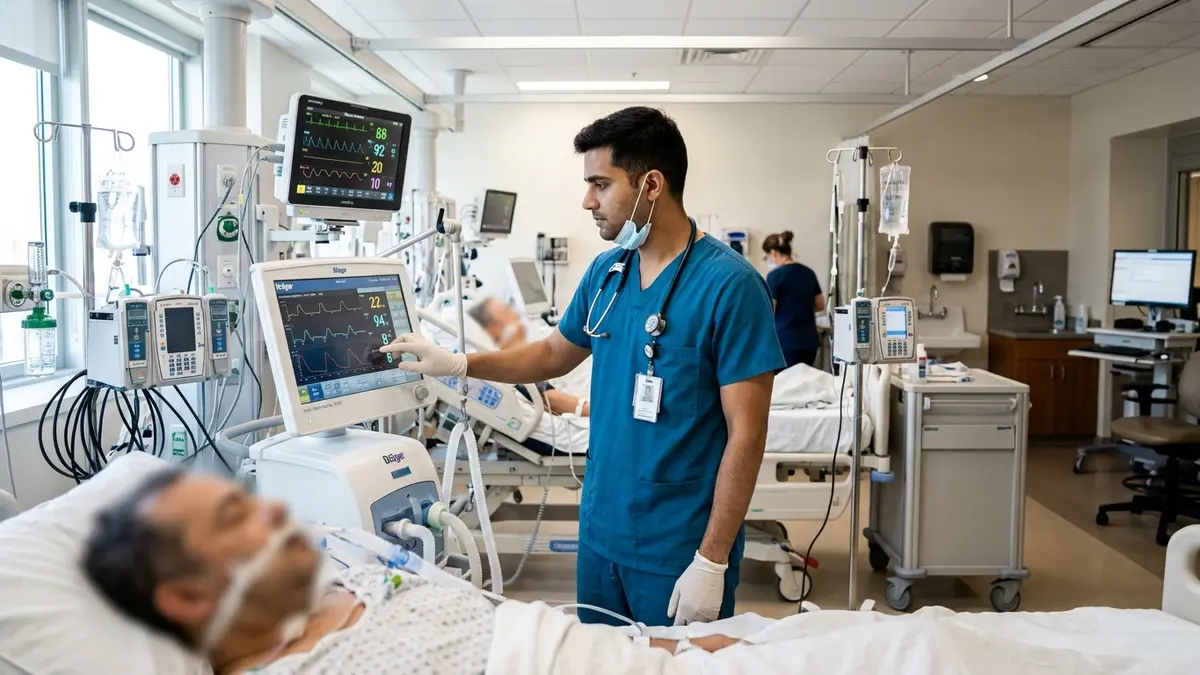
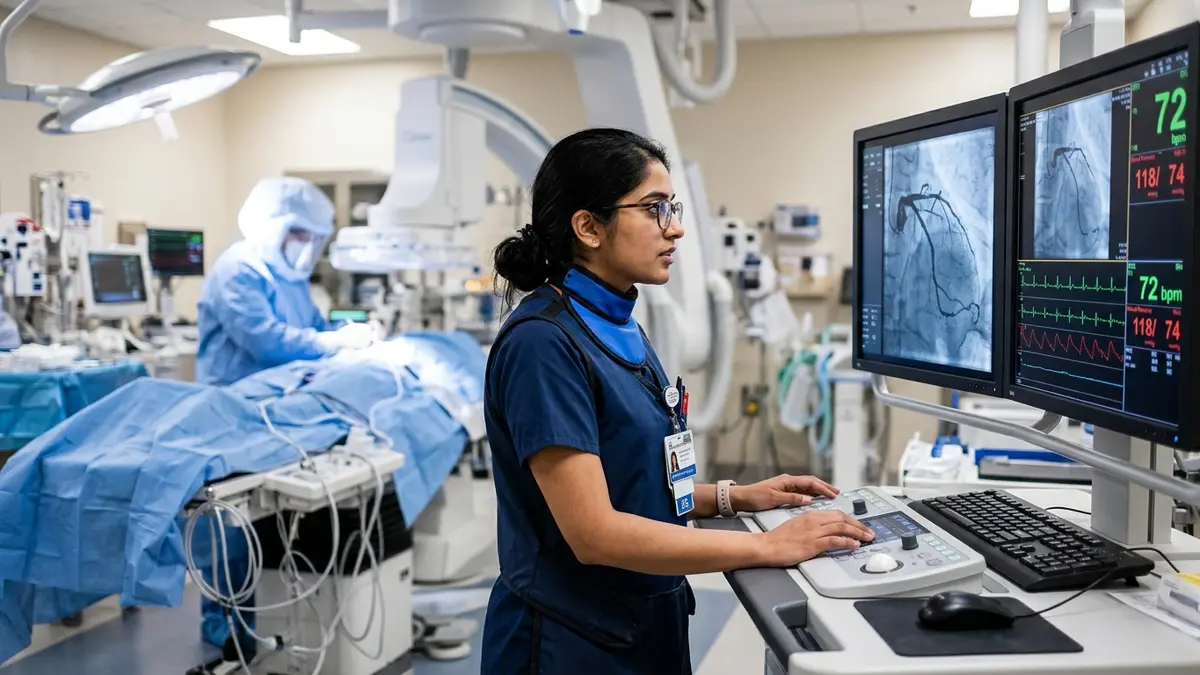
A Dialysis Technologist (also called a Renal Care Specialist or Hemodialysis Technician) is a vital healthcare professional who operates advanced kidney dialysis machines for patients suffering from acute kidney injury or chronic renal failure.
The kidneys filter waste, toxins, and excess fluids from our blood. When a person's kidneys fail to work properly, waste builds up rapidly in the bloodstream, which is life-threatening. The dialysis technologist connects the patient to an artificial kidney machine (Hemodialyzer), monitors vital signs, manages blood flow rates, and cleans the patient's blood safely before returning it to their body.
️ Why AI Cannot Replace This Career
Dialysis is an intimate, hands-on clinical procedure. It requires gently cannulating delicate arteriovenous (AV) fistulas with specialized needles, soothing elderly patients with high anxiety, and immediately noticing subtle signs of cramping, fainting, or air embolism. Artificial intelligence cannot touch a patient's arm, comfort a scared family, or adjust physical bloodlines in real-time emergency situations.
1. Quick Facts at a Glance
| Key Parameter | Details |
|---|---|
| Minimum Eligibility | Class 12 pass with Physics, Chemistry & Biology (PCB) (Minimum 45%–50% marks) |
| Primary Degree | B.Sc in Dialysis Technology / Renal Replacement Therapy (or 2-Year Diploma) |
| Course Duration | Degree: 3 or 4 Years (including internship) | Diploma: 2 Years |
| Is NEET Compulsory? | No (Admissions happen via State Paramedical CETs or 12th Board merit) |
| Government College Fees | ₹10,000 to ₹35,000 total (Extremely economical) |
| Private College Fees | ₹1.8 Lakh to ₹4.5 Lakh total |
| Expected Starting Salary | ₹25,000 to ₹40,000 per month (₹3.0 Lakh to ₹4.8 Lakh per year) |
| Senior Salary (5+ Years) | ₹60,000 to ₹1,10,000 per month (Overseas Gulf/UK: ₹2.5L to ₹4.5L/month) |
2. Step-by-Step Career Roadmap
Step 1: Complete High School (Class 10 & 12) with Science
You must pass Class 12 with Physics, Chemistry, and Biology (PCB). You should secure at least 50% marks in PCB subjects (45% for reserved category students). English should also be one of your subjects.
Step 2: Choose Your Path: Diploma or B.Sc Degree
You have two choices after Class 12:
- B.Sc Dialysis Technology (Recommended): A 3 to 4-year undergraduate degree that gives you higher promotion potential, eligibility to work overseas, and chief technologist status.
- Diploma in Dialysis Technology (DDT): A 2-year skill-oriented course designed for quick job entry into local clinics and nursing homes.
Step 3: Secure Admission via Entrance or Merit
Most states organize their own entrance tests:
- State Exams: Such as JENPAS UG in West Bengal, KCET in Karnataka, or state medical faculty entrance exams.
- Direct Admission: Many reputed private hospital colleges offer direct admission based on your 12th board percentage.
Step 4: Academic Study & Practical Clinical Training
During the course, you will learn core clinical subjects:
- Renal Anatomy and Renal Physiology (How healthy kidneys work).
- Pathology of Kidney Diseases (Glomerulonephritis, Diabetic Nephropathy).
- Water Treatment Technology (Reverse Osmosis plants used for dialysis water).
- Hemodialysis vs Peritoneal Dialysis techniques.
- Management of Dialysis emergencies (Hypotension, Clotting, Dialyzer reactions).
Step 5: Mandatory Hospital Internship & Certification
In your final year, you will complete an intensive 6-month to 1-year clinical internship in the nephrology department of a recognized hospital. After passing your practical exams, you become a certified Renal Care Technologist.
3. Top Colleges in India & Real Course Fees
- Top Government Medical Colleges (Low Fees):
- All India Institute of Medical Sciences (AIIMS)
- IPGMER & SSKM Hospital, Kolkata
- Madras Medical College (MMC), Chennai
- King George's Medical University (KGMU), Lucknow
- Fees: ₹5,000 to ₹20,000 per year.
- Top Private / Trust Medical Institutes:
- Christian Medical College (CMC), Vellore
- Manipal College of Health Professions (MAHE), Manipal
- SRM Institute of Science and Technology, Chennai
- Amrita School of Allied Health Sciences, Kochi
- Fees: ₹70,000 to ₹1,50,000 per year.
4. Job Roles & Real Salary Expectations
Due to the rising rates of diabetes and hypertension across India, nearly every multi-specialty hospital and standalone dialysis centre needs certified technologists daily:
- Junior Dialysis Technician (0–2 Years): ₹25,000 to ₹38,000 per month.
- Senior Dialysis Specialist (3–6 Years): ₹50,000 to ₹85,000 per month.
- Dialysis Unit In-Charge / Center Manager: ₹90,000 to ₹1,40,000 per month.
- Overseas Opportunities (Gulf, Germany, UK): ₹2.2 Lakh to ₹4.0 Lakh per month with hospital accommodation provided.
5. Honest Pros and Cons
The Pros:
- Extremely Stable Employment: Kidney failure patients need dialysis 2 to 3 times every week to survive. Jobs in this sector never face layoffs.
- Fast Career Start: You can enter the medical workforce within 2 to 3 years without preparing for grueling MBBS exams.
- Meaningful Patient Bonds: You meet the same patients week after week and become their primary lifeline and trusted companion.
The Cons:
- Shift Work: Dialysis units in busy hospitals operate round the clock in 3 shifts (morning, evening, and night).
- Physical Stamina Required: You spend hours on your feet connecting tubes, moving dialyzer fluids, and sterilizing machines.
6. Frequently Asked Questions (FAQ)
Q1: Is NEET required for Dialysis Technology?
Answer: No. NEET is strictly not required for B.Sc or Diploma in Dialysis Technology. Admissions are done through state counseling or direct college merit.
Q2: Can Arts or Commerce students take this course?
Answer: No. A background in Physics, Chemistry, and Biology (PCB) in Class 12 is mandatory.
Q3: Can a dialysis technologist open their own center?
Answer: Yes. Experienced technologists can partner with certified nephrologists to establish community dialysis centers or home dialysis services.