



 Career Guidance
examuttoron.com
|
EXAM UTTORON
Link:
https://examuttoron.com/how-to-become-a-robotics-and-mechatronics-engineer-guide
How to Become a Robotics and Mechatronics Engineer: Roadmap, Skills & Salary 2026
What is a Robotics & Mechatronics Engineer?
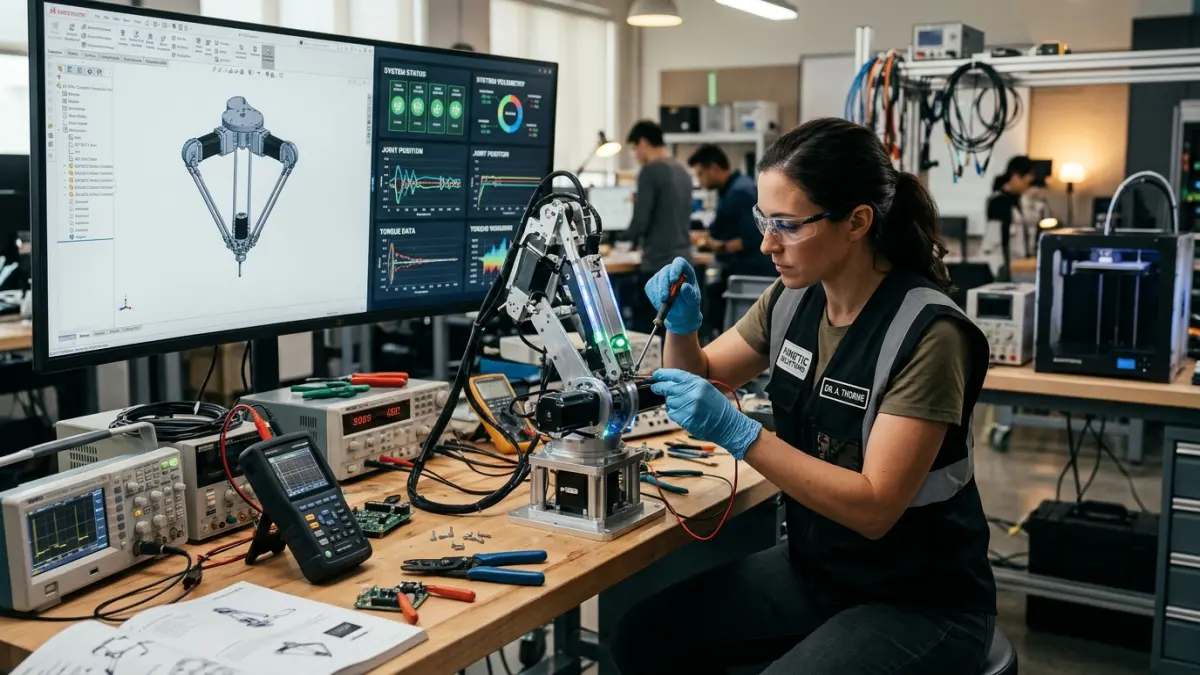
A Robotics and Mechatronics Engineer is a multidisciplinary engineer who designs, builds, and maintains intelligent physical machines. They combine four core disciplines: Mechanical Engineering (physical structure), Electronics Engineering (sensors and microcontrollers), Computer Science (robot software, control loops, and AI vision), and Control Systems (motors and pneumatic actuators).
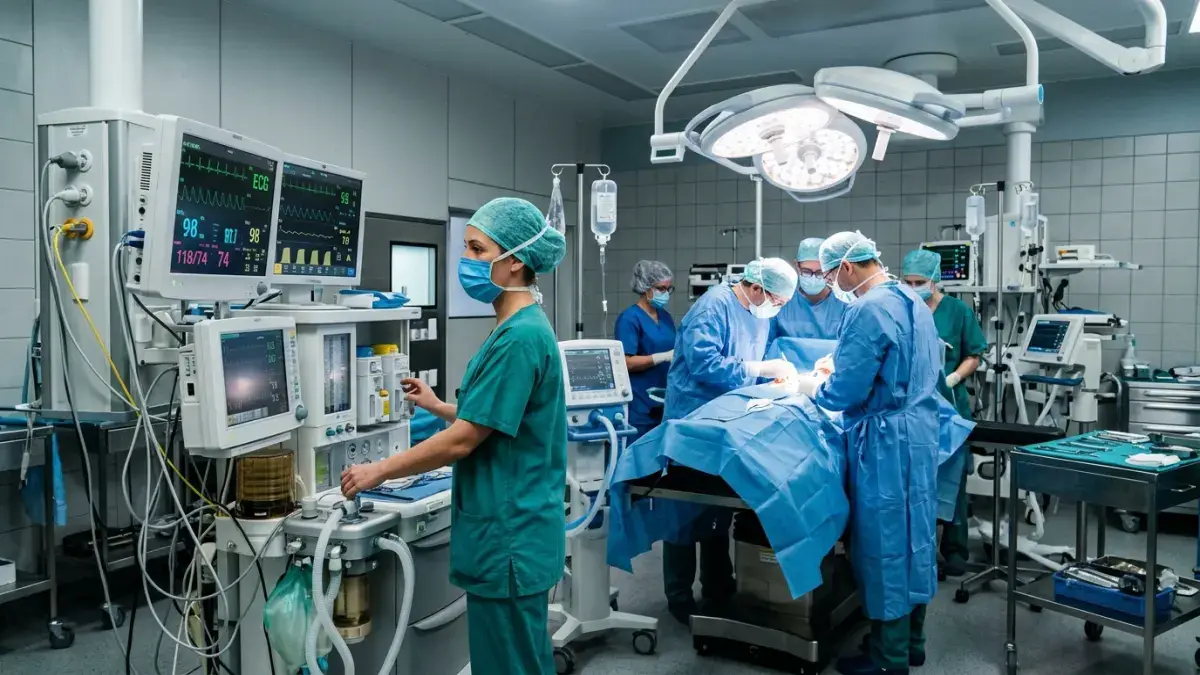
From surgical robotic arms in hospitals and automated warehouse robots at Amazon to autonomous drones, humanoid robots, and electric vehicles (EVs), robotics engineers create the hardware-software machines that shape the modern world.
️ Why AI Cannot Replace This Career
Pure software developers face automation pressure from AI coding assistants. But a robotics engineer works with physical matter. You cannot calibrate an electric motor, debug real-world friction, troubleshoot mechanical gears, wire a PCB board, or balance hydraulic pressure with pure software. AI can suggest code, but human engineers must test, solder, assemble, and repair physical machines in the real physical world.
1. Quick Facts at a Glance
| Key Parameter | Details |
|---|---|
| Minimum Eligibility | Class 12 pass with Physics, Chemistry & Mathematics (PCM) (Minimum 60% marks) |
| Primary Degree | B.Tech / B.E in Robotics, Mechatronics, Mechanical, or Electronics Engineering |
| Course Duration | 4 Years (8 Semesters) |
| Primary Entrance Exams | JEE Main, JEE Advanced, WBJEE, BITSAT, State CETs |
| Government College Fees | ₹1.5 Lakh to ₹6 Lakh total (IITs, NITs, IIEST, Jadavpur University) |
| Private College Fees | ₹6 Lakh to ₹16 Lakh total (BITS Pilani, Manipal, VIT, SRM) |
| Expected Starting Salary | ₹5.5 Lakh to ₹12 Lakh per year (₹45,000 to ₹1,00,000/month) |
| Senior Robotics Specialist Salary | ₹18 Lakh to ₹35 Lakh per year (Automotive, Defense, Space & MedTech) |
2. Step-by-Step Career Roadmap
Step 1: Strong Foundation in School (Class 11 & 12 PCM)
Choose the Science stream with Physics, Chemistry, and Mathematics (PCM). Focus deeply on Mechanics, Electromagnetism, Calculus, and basic computer programming (Python or C++).
Step 2: Clear Engineering Entrance Exams
Prepare for national and state entrance tests:
- JEE Main & Advanced: For admission to premier IITs, NITs, and IIITs.
- State Exams: Such as WBJEE (Jadavpur University, KGEC), MHT-CET, or COMEDK.
- Top Private University Exams: BITSAT, VITEEE, MET.
Step 3: Choose Your Bachelor's Degree (B.Tech)
You can pursue a direct B.Tech in Robotics and Automation or Mechatronics. Alternatively, you can graduate in Mechanical Engineering or Electronics & Communication (ECE) and specialize in robotics through minor electives, club projects, and internships.
Step 4: Master Essential Practical Skills
Industry-ready robotics engineers master these practical tools during college:
- Hardware & Microcontrollers: Arduino, ESP32, STM32, and Raspberry Pi.
- Robot Operating System (ROS / ROS 2): The industry-standard open-source framework for building robot software.
- 3D CAD Modeling: SolidWorks, Fusion 360, or AutoCAD for designing physical robot parts.
- Programming: C++ (for fast motor control) and Python (for computer vision using OpenCV).
- Sensors & Actuators: LiDAR, Ultrasonic sensors, IMUs, Stepper motors, and Servo motors.
Step 5: Internships & Capstone Hardware Projects
Build real working prototypes: an automated obstacle-avoiding bot, a robotic arm with gripper control, or a small drone. Secure internships in manufacturing plants (Tata Motors, Maruti, ABB), warehouse automation startups, or defense research centers (DRDO, ISRO).
3. Top Colleges in India for Robotics & Mechatronics
- Government Institutes:
- IIT Kanpur, IIT Bombay, IIT Madras (Center for Robotics)
- IIEST Shibpur & Jadavpur University (School of Mobile Computing & Mechatronics)
- NIT Tiruchirappalli & NIT Surathkal
- Top Private Institutes:
- BITS Pilani (Pilani & Goa Campuses)
- Manipal Institute of Technology (B.Tech Mechatronics)
- Vellore Institute of Technology (VIT Vellore)
- PSG College of Technology, Coimbatore
4. Career Paths & Real Salary Expectations
- Junior Robotics Engineer (0–2 Years): ₹5.5 Lakh to ₹9 Lakh per annum.
- Automation & PLC Engineer: ₹6 Lakh to ₹11 Lakh per annum (Heavy manufacturing & FMCG plants).
- Robotics Perception & Navigation Specialist: ₹14 Lakh to ₹24 Lakh per annum (Autonomous vehicles & drones).
- Lead Robotics Architect (8+ Years): ₹28 Lakh to ₹45+ Lakh per annum.
5. Honest Pros and Cons
The Pros:
- High Job Satisfaction: There is immense pride in seeing a physical machine you designed move, think, and complete tasks in the real world.
- Immunity to Pure AI Disruption: Combines physical machinery with digital intelligence, making it impossible to replace with software alone.
- Massive Growth: Electric vehicles, drone delivery, smart factories, and medical robotics are expanding at 25%+ annually in India.
The Cons:
- Steep Learning Curve: You must understand mechanical forces, electronic circuits, and complex software simultaneously.
- Hardware Costs: Building physical hardware prototypes requires physical components, lab tools, and 3D printing equipment.
6. Frequently Asked Questions (FAQ)
Q1: Is Mechatronics different from Robotics?
Answer: Mechatronics is the broad umbrella of combining mechanical, electronic, and computer engineering (e.g., anti-lock braking systems in cars). Robotics is a specialized subset focusing specifically on autonomous, programmable machines that interact with their environment.
Q2: Can I get into robotics through Computer Science?
Answer: Yes. Computer Science graduates can work as Robot Software Engineers focusing on motion planning, computer vision, and machine learning using ROS and C++.
Q3: What is the scope for robotics abroad?
Answer: Huge. Germany, Japan, the United States, and South Korea have massive industrial robotics sectors and actively recruit mechatronics graduates with starting salaries of €55,000 to $90,000 per year.