


 Career Guidance
examuttoron.com
|
EXAM UTTORON
Link:
https://examuttoron.com/how-to-become-a-medical-laboratory-technologist-bmlt-guide
How to Become a Medical Laboratory Technologist (BMLT): Career Roadmap, Eligibility, Colleges and Salary 2026
What is a Medical Laboratory Technologist?
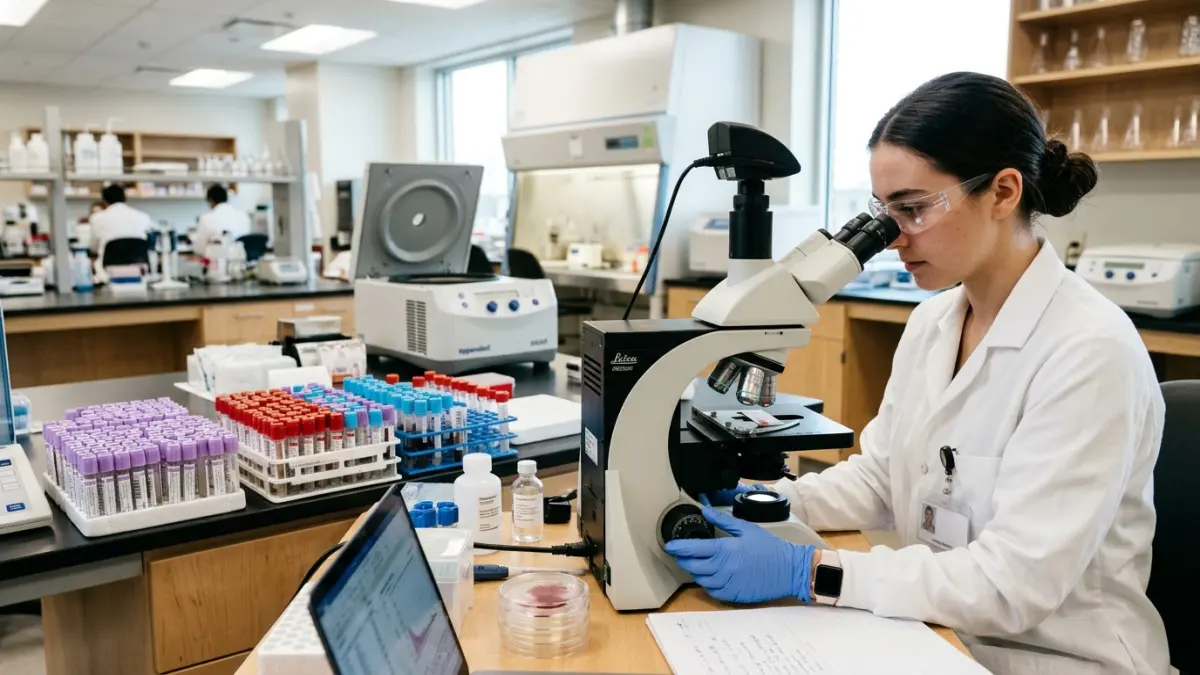
A Medical Laboratory Technologist (MLT) is a diagnostic healthcare professional who tests body fluids, tissues, blood samples, and chemical balances to help doctors detect, diagnose, and treat illnesses. Over 70% of all medical decisions taken by doctors depend on laboratory test results produced by laboratory technologists.
Working in clinical pathology, microbiology, hematology, and biochemistry laboratories, these professionals operate precision automated analyzers, perform manual microscopic evaluations, and verify sample accuracy under strict quality guidelines.
Why AI Cannot Replace This Career
AI algorithms can assist in pattern analysis, but they cannot collect delicate blood samples from infant veins, prepare slide smears without air bubbles, troubleshoot clogged chemical analyzers, or culture living bacterial colonies in Petri dishes. Clinical diagnostics requires precise physical sample handling, strict biosafety compliance, and human verification to ensure patient lives are never endangered by lab errors.
1. Quick Facts at a Glance
| Key Parameter | Details |
|---|---|
| Minimum Eligibility | Class 12 Pass with Science (Physics, Chemistry, Biology) with at least 50% marks |
| Core Degree Options | Bachelor in Medical Laboratory Technology (BMLT / B.Sc MLT) (3 to 3.5 years) |
| Diploma Option | Diploma in Medical Laboratory Technology (DMLT) (2 years) |
| Primary Entrance Exams | JENPAS UG (West Bengal), AIIMS Paramedical, PGI Paramedical, State Paramedical Entrance Exams |
| Government College Fees | ₹12,000 to ₹50,000 for full course |
| Private College Fees | ₹1,50,000 to ₹4,00,000 total |
| Starting Salary | ₹2.4 Lakh to ₹4 Lakh per year (₹20,000 to ₹32,000 per month) |
| Experienced Lab In-Charge Salary | ₹6 Lakh to ₹10 Lakh per year (₹50,000 to ₹80,000 per month) |
| Top Employers | Dr. Lal PathLabs, SRL Diagnostics, Metropolis Healthcare, Apollo Diagnostics, Government Hospitals, Pathkind Labs |
2. What a Medical Lab Technologist Actually Does
Daily responsibilities of a medical laboratory technologist include:
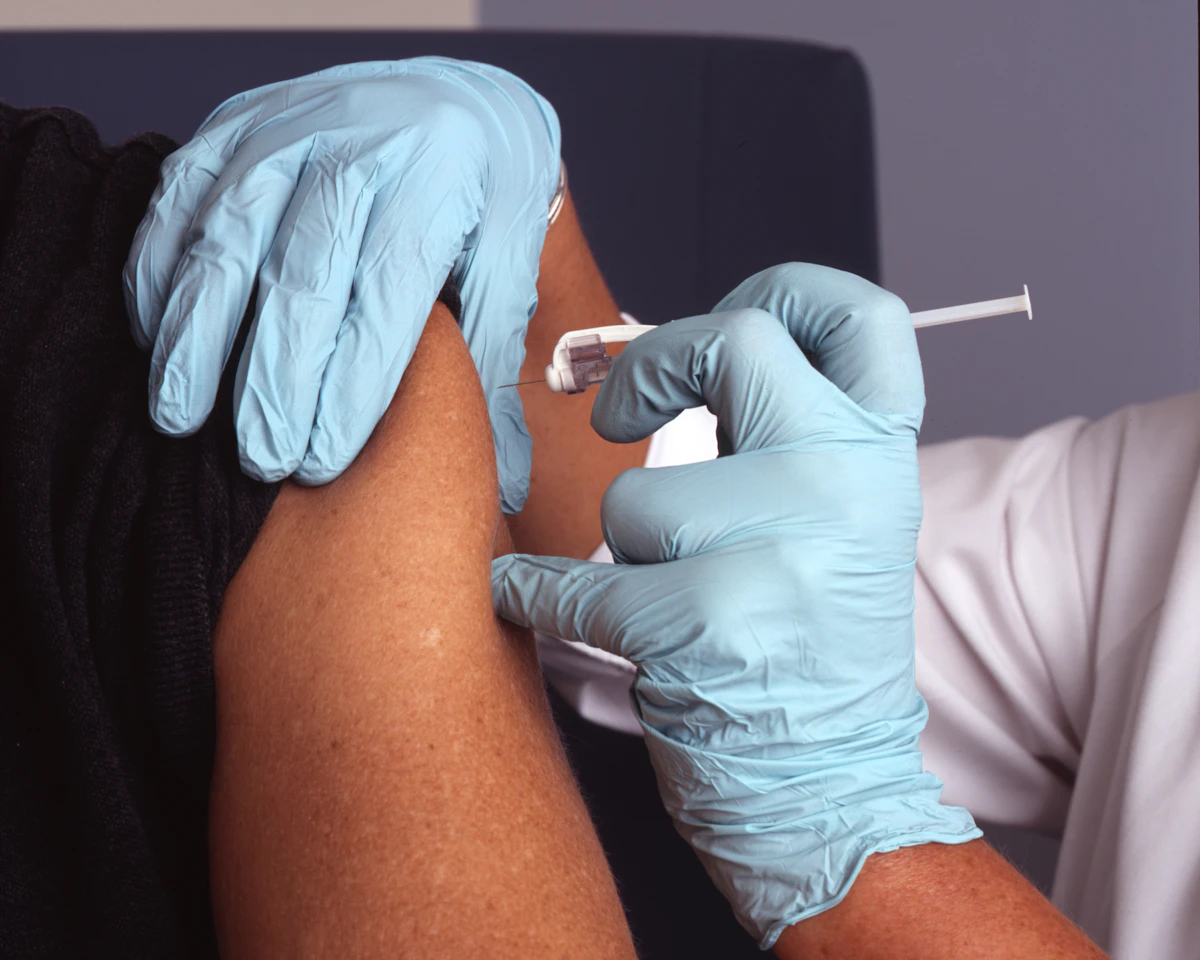
- Specimen Collection and Phlebotomy: Drawing venous and capillary blood samples safely with minimal patient discomfort.
- Hematology Testing: Running Complete Blood Counts (CBC), identifying abnormal cells under microscopes, and performing blood cross-matching for emergency transfusions.
- Biochemical Analysis: Measuring liver enzymes, blood glucose, kidney markers (urea and creatinine), and cardiac troponin levels using automated chemistry analyzers.
- Microbiology and Serology: Inoculating bacterial culture media, identifying fungal growths, and running antibiotic sensitivity tests.
- Quality Control (QC): Calibrating lab equipment daily with standard controls to ensure accurate test reports.
3. Step-by-Step Educational Roadmap
Step 1: Pass Class 12 with PCB Subjects
Score at least 50% aggregate in Physics, Chemistry, and Biology from any recognized central or state education board.
Step 2: Appear for Paramedical Entrance Exams
Register and sit for target paramedical tests such as:
- JENPAS UG: The primary gateway for West Bengal government medical colleges.
- AIIMS Paramedical Examination: Conducted for admissions across all AIIMS institutions.
- State Medical Council Entrance Tests: Held annually in various states across India.
Step 3: Complete Your BMLT Degree Program
Undergo 3 years of classroom and laboratory education covering Pathology, Clinical Biochemistry, Medical Microbiology, Histotechnology, and Molecular Biology.
Step 4: Undergo a 6-Month Compulsory Hospital Internship
Work directly in an accredited hospital laboratory handling real patient diagnostic samples, emergency stat orders, and blood bank management.
Step 5: Obtain Registration & Begin Career
Register with your State Paramedical Council or the National Commission for Allied and Healthcare Professions (NCAHP) to work in hospitals or launch your own diagnostic collection center.
4. Top Colleges and Official Website Links
| Institute Name | Location | Type | Official Website Link |
|---|---|---|---|
| All India Institute of Medical Sciences (AIIMS) | New Delhi | Central Government | aiims.edu |
| Post Graduate Institute of Medical Education and Research (PGIMER) | Chandigarh | Central Government | pgimer.edu.in |
| Institute of Post Graduate Medical Education and Research (IPGMER) | Kolkata, West Bengal | State Government | ipgmer.gov.in |
| JIPMER | Puducherry | Central Government | jipmer.edu.in |
| Manipal College of Health Professions | Manipal, Karnataka | Private Deemed | manipal.edu |
| Jamia Hamdard University | New Delhi | Deemed University | jamiahamdard.edu |
5. Salary Growth and Earning Potential
| Role | Experience | Average Monthly Pay | Annual Compensation |
|---|---|---|---|
| Trainee / Junior Lab Technologist | 0 to 2 Years | ₹18,000 to ₹28,000 | ₹2.2 Lakh to ₹3.4 Lakh |
| Senior Lab Technologist | 3 to 6 Years | ₹32,000 to ₹50,000 | ₹3.8 Lakh to ₹6 Lakh |
| Laboratory Supervisor / Quality Manager | 7+ Years | ₹55,000 to ₹90,000 | ₹6.6 Lakh to ₹11 Lakh |
| Diagnostic Center Entrepreneur | Self-Employed | ₹80,000 to ₹2,50,000+ | ₹10 Lakh to ₹30 Lakh+ |
6. Honest Reality Check: Pros and Cons
| Advantages (Pros) | Challenges (Cons) |
|---|---|
| Every clinic, nursing home, and hospital requires laboratory testing | Handling potentially infectious body fluids requires strict safety discipline |
| Steady, predictable indoor laboratory working environment | Continuous standing and repetitive pipetting during busy hours |
| Option to start your own diagnostic collection center or laboratory | Fresher salaries in small local clinics can be modest |
| Strong opportunities for specialized careers in molecular diagnostics and genomics | Must maintain high concentration to avoid labeling errors |
7. Frequently Asked Questions (FAQ)
Can I open my own diagnostic laboratory after BMLT?
Yes. With a BMLT degree and valid council registration, you can operate collection centers and basic diagnostic labs. For signing advanced pathology and histopathology reports, collaboration with an MD Pathologist is required under Clinical Establishment Acts.
Which course is better: DMLT or BMLT?
BMLT is a 3-year bachelor degree that opens doors for central government hospital jobs, promotions, M.Sc degrees, and overseas jobs. DMLT is a shorter 2-year diploma suitable for quick entry into local private labs.
Can I work abroad after completing BMLT in India?
Yes. Indian BMLT graduates can work in the United Arab Emirates, Saudi Arabia, the UK, and Canada after clearing credential evaluation and licensing exams such as DHA (Dubai), MOH, or ASCPi certification.